


Import Permits for Wholesale Stock Buyers
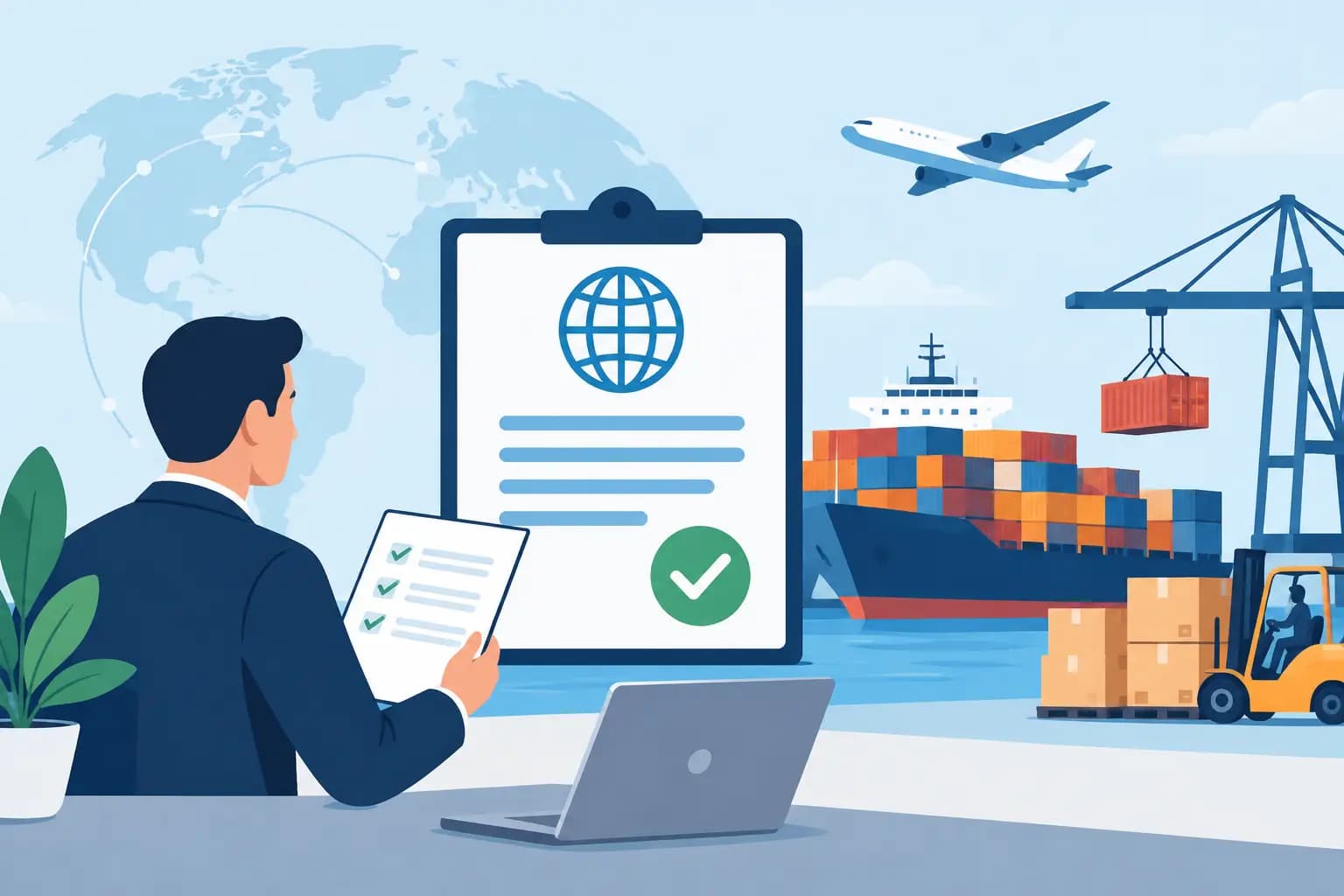
A container of discounted stock is only a deal if it can clear customs, reach your warehouse, and be sold legally in your market. Import permits are often the difference between fast inventory turnover and a shipment held at the port while storage fees build. For wholesale buyers, the right question is not simply, “Do I need a permit?” It is, “Which party needs it, for which products, before which shipment date?”
The answer depends on the goods, country of origin, destination market, quantity, intended use, and sometimes the product’s exact material or technical specification. A mixed pallet of apparel may be straightforward. The same shipment containing lithium batteries, cosmetics, branded goods, food-contact cookware, or children’s products can require a much closer review.
When Import Permits Apply to Wholesale Stock
An import permit is an approval that allows certain goods to enter a country. In the United States, import requirements may be managed by Customs and Border Protection as well as agencies responsible for food, agriculture, consumer safety, communications, transportation, health, or environmental controls. A shipment does not need to be unusual to fall under these rules. Everyday resale products can be regulated because of safety, labeling, intellectual property, or product composition.
Many general merchandise shipments do not require a separate permit. That does not mean they are paperwork-free. Commercial invoices, packing lists, bills of lading, country-of-origin information, tariff classification, declared value, and entry documentation still matter. Import permits become more likely when the goods are controlled, regulated, restricted, or subject to quotas.
For liquidation buyers, the risk rises with mixed inventory. A lot may be marketed as household goods or general merchandise, but the SKU file could include items with different compliance obligations. One prohibited or incorrectly declared product can delay the entire container.
Product categories that need extra attention
Buyers should review permits and agency requirements early when sourcing these categories:
- Food, beverages, supplements, cosmetics, medical-related products, and animal or plant materials
- Wireless electronics, radio-frequency devices, batteries, chargers, and certain telecommunications equipment
- Toys, children’s products, apparel with special treatments, protective equipment, and consumer goods subject to safety standards
- Vehicles, transport equipment, engines, tires, industrial machinery, chemicals, and products containing regulated materials
- Branded merchandise, especially where the supply chain, authorization, labels, or country of origin could raise intellectual property concerns
This is not a complete list, and it should not be treated as a permit checklist. Product descriptions are often too broad for customs purposes. “Electronics,” “tools,” or “beauty stock” is not enough. You need model numbers, product photos, technical details, quantities, and a precise SKU breakdown before committing to a purchase.
Import Permits Are Not the Only Clearance Requirement
Experienced importers separate three issues that are often confused: permission to import, product compliance, and customs entry. A permit may authorize entry, but it does not automatically prove that a product meets safety, labeling, testing, or certification requirements. Likewise, a customs broker can file an entry, but the importer remains responsible for the accuracy of the declaration.
For example, a shipment of branded footwear may not require a special import permit, yet it still needs correct classification, valuation, origin marking, and documentation that supports lawful resale. A shipment of wireless devices may require approval or compliance evidence related to radio-frequency rules. A shipment of cookware may require review of material, food-contact requirements, labeling, and possible testing records.
The lowest unit price is not the landed cost. Duty, taxes, customs bonds, brokerage, inspections, storage, relabeling, compliance testing, and disposal risk can erase a strong buying margin. Build these costs into the deal before you calculate resale pricing.
Check the Shipment Before You Pay
The most reliable process starts before a purchase order, deposit, or container booking. Ask the supplier for a complete stock file, not just a category name and total pallet count. The file should identify SKUs, brands, descriptions, quantities, origin market, unit values, packaging configuration, and condition. For regulated goods, request relevant certificates, test reports, declarations, manuals, labels, and product photos.
Then confirm the likely tariff classification for the actual goods. Classification drives duty rates and can trigger additional rules. Do not classify a mixed lot using the most convenient category. If a pallet contains several types of goods, each may need its own classification and corresponding documentation.
Work with a qualified customs broker or trade compliance professional in the destination country before funds are committed. Their review should cover the product type, origin, tariff code, importer of record, permit needs, duty exposure, and likely government agency involvement. This is especially valuable for first-time imports, high-value containers, and stock purchased from unfamiliar origin markets.
The supplier also matters. Ask whether they are the owner of the goods, an authorized distributor, a liquidation intermediary, or a broker. Confirm what documents they can provide and whether the goods are intended for export. If labels, plugs, manuals, packaging, or warnings are designed for another market, calculate the cost and feasibility of adapting them for U.S. resale.
Who Is Responsible for the Paperwork?
For most commercial transactions, the importer of record carries the main legal responsibility for entry declarations, duties, taxes, and compliance. That may be the buyer, a U.S. entity appointed by the buyer, or another properly structured party. It should never be assumed based on an email thread or a freight quote.
Incoterms affect cost allocation and shipping responsibilities, but they do not remove the importer’s compliance risk. A supplier may arrange transport or quote delivered pricing, yet the buyer should still understand who is named as importer of record, who holds the customs bond, and who will respond if customs requests additional documents.
This point matters in wholesale liquidation. Fast-moving offers create pressure to reserve stock immediately. That urgency is real, but permits and import responsibilities cannot be fixed after a shipment is already at the border. A seller that provides clear documentation and responds quickly to product questions is worth more than a slightly cheaper offer with missing paperwork.
Avoid the Most Expensive Mistakes
The first mistake is buying from a broad manifest without reviewing the SKU-level content. A mixed truckload may contain excellent resale inventory, but unknown items create unknown import exposure. Request enough detail to exclude restricted products or price the risk correctly.
The second is underestimating branded inventory controls. Authentic goods can still create issues if the documentation is incomplete, trademarks are misused, labels are altered, or products were not authorized for the intended market. Keep invoices, supplier declarations, product photos, and chain-of-custody records organized from the start.
The third is declaring values or descriptions inaccurately to reduce duty. That can lead to penalties, delays, seizure, and the loss of future importing flexibility. Customs compliance is a commercial asset. Buyers that develop clean records and repeatable processes can move faster when the next high-margin deal appears.
Finally, do not assume a prior shipment is a permanent answer. Rules change, supplier sources change, and product specifications change. A permit that was not required for last season’s stock may become relevant when a new model includes a battery, chemical coating, wireless component, or different country of origin.
Build Permit Checks Into Your Buying Process
The practical approach is to make compliance part of deal evaluation, just like unit cost, pallet volume, and expected resale price. Before approving a bulk purchase, assign someone to verify product details, import status, required documents, freight terms, and landed cost. Keep the review proportional to the risk. Basic apparel may need a lighter check than electronics, cosmetics, or industrial equipment, but every commercial shipment deserves accurate paperwork.
GLOBAL STOCKS buyers often evaluate opportunities across different countries, product categories, and inventory conditions. That speed creates an advantage when the documentation is ready and the responsibilities are clear. The best wholesale purchases are not simply cheap - they are importable, sellable, and ready to move.
Before reserving your next container, get the SKU file, confirm the importer of record, and ask your broker the permit question early. A few checks before payment can protect the margin you worked hard to find.